Why speech-data.ai exists
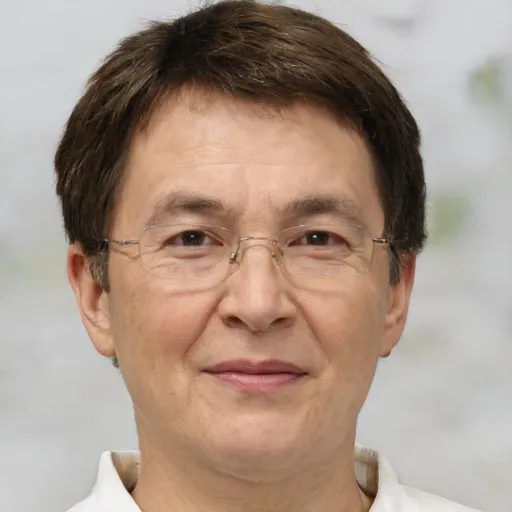
Hi, I’m Alex Morgan!
Every great voice AI model starts with one unglamorous thing: data. Hours of audio, carefully transcribed, labeled, and cleaned. Anyone who has trained a speech recognition system, built a voice assistant, or fine-tuned a text-to-speech model knows the truth — the hardest part is rarely the model architecture. It’s finding the right dataset.
That’s the problem I kept running into.
— Alex Morgan, founder of speech-data.ai
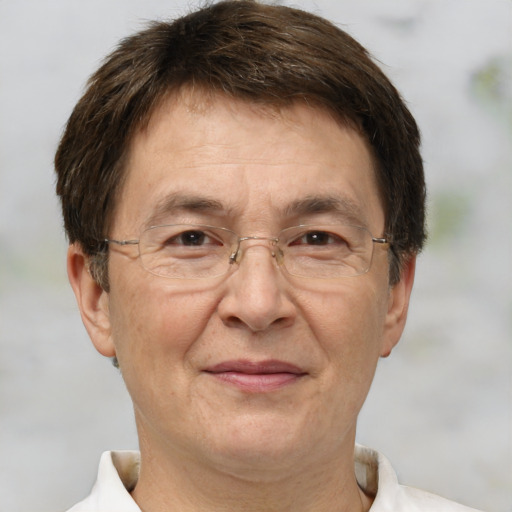
You can find my Medium blog, or reach me personally through email: [email protected]
The story
It started, as most good tools do, out of frustration.
As a working data scientist, I spent years building speech and audio models — wake-word detectors, transcription pipelines, accent classifiers, voice cloning systems. Every project began the same way: a search for usable speech data. And every project hit the same wall.
Datasets were scattered across university servers, buried in research papers, locked behind paywalls, or quietly abandoned after a single publication. Licensing terms were unclear. File formats were inconsistent. Metadata was missing or wrong. Hours that should have gone into modeling instead went into hunting down audio files and reverse-engineering how they were labeled.
After one too many late nights spent emailing researchers for download links that never arrived, a simple idea took hold: what if there were just one place — built by someone who actually uses this data — where speech datasets lived, organized, documented, and ready to use?
Not a research archive nobody maintains. Not a marketplace built by people who’ve never trained a model. A resource built by a practitioner, for practitioners.
What I built
speech-data.ai started as my own personal collection — recordings, transcripts, and annotated audio sets gathered over the course of real projects. Datasets in different languages, accents, recording conditions, and domains. Things that were useful in practice, not just impressive on paper.
Rather than let that collection sit on a hard drive, I turned it into a website. Every dataset is described the way a fellow data scientist would want it described: what’s in it, how it was collected, what it’s good for, what its limitations are, and how it’s licensed. No guesswork, no surprises three weeks into a project.
This is a solo project — there’s no team behind speech-data.ai, just one data scientist who got tired of the same problem and decided to fix it. That also means every dataset on this site has actually been used, checked, and vouched for by someone who works with speech data every day, not approved by committee.
Who it’s for
speech-data.ai is built for the people who build with speech: ML engineers training recognition or synthesis models, researchers benchmarking new architectures, startups prototyping voice products, and students learning the field. If you’ve ever needed audio data and didn’t know where to start, this is the place I wish had existed when I did.
Where I’m headed
This is still, at heart, a one-person mission with a simple goal: make speech data easier to find, easier to trust, and easier to use. The catalog keeps growing — new languages, new domains, new use cases — driven by the same question that started it all: what would have saved me time on my last project?
If you have a dataset to share, a request for data that doesn’t exist yet, or just want to talk speech AI, I’d love to hear from you.